Advanced CT and MRI imaging services supporting accurate diagnosis, clinical evaluation and treatment planning across multiple specialties.
Modern CT and MRI technology
Streamlined diagnostic workflow
High-quality diagnostic imaging
Routine and urgent imaging support
Two advanced imaging modalities designed to support different diagnostic requirements.
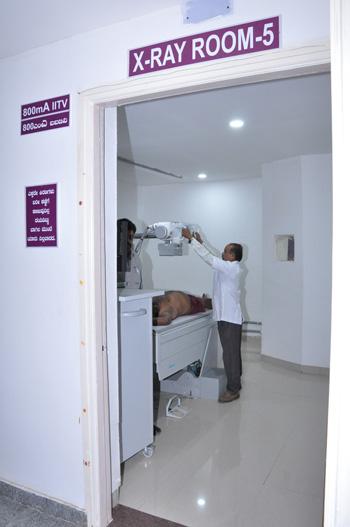
Detailed cross-sectional imaging using X-rays and computer processing to support clinical diagnosis and assessment.
Explore CT Services →
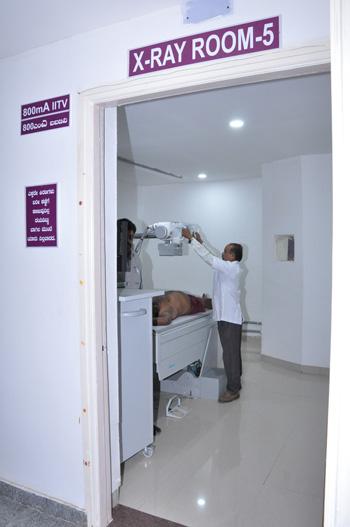
Advanced magnetic resonance imaging that provides detailed images of soft tissues, organs, joints and other body structures.
Explore MRI Services →
CT scanning uses X-rays and computer processing to create detailed cross-sectional images of the body.
It can support emergency, medical and surgical assessment when requested by the treating clinical team.
MRI uses a strong magnetic field and radio waves to produce detailed images of organs, soft tissues, joints and other body structures.
MRI may be particularly useful for evaluating the brain, spine, joints, muscles and selected internal organs.
Imaging support across emergency, medical, surgical and specialist departments.
CT and MRI examinations may support appropriate neurological assessments.
Advanced imaging support for selected spinal and musculoskeletal conditions.
Imaging support for selected chest and cardiothoracic clinical requirements.
CT and MRI support for appropriate abdominal and pelvic assessments.
Detailed assessment of selected joints, bones, muscles and soft tissues.
Imaging support for urgent clinical assessment when required.
A structured imaging process supports efficient and appropriate diagnostic assessment.
The requested examination and relevant clinical information are reviewed.
Patients receive examination-specific instructions before imaging.
Images are acquired using the appropriate CT or MRI imaging system.
Images are reviewed and interpreted by appropriately qualified professionals.
CT uses ionizing radiation. The examination is performed when clinically appropriate.
MRI uses a strong magnetic field and does not use ionizing radiation.
CT uses X-rays to create detailed cross-sectional images. MRI uses a strong magnetic field and radio waves and is particularly useful for many soft-tissue and musculoskeletal examinations.
MRI does not use ionizing radiation. It uses a strong magnetic field and radio waves.
Yes. CT uses X-rays. The imaging team determines the appropriate examination based on the clinical requirement.
When clinically appropriate, CT or MRI may support urgent assessment. The treating clinical team determines which examination is appropriate.
Tell the MRI team about implanted medical devices, metallic implants, previous surgery and any other relevant safety information before entering the MRI environment.
For appointments, examination information or imaging enquiries, contact the hospital and speak with the appropriate department.
☎ Contact Hospital